RESILIENCE HUB PROGRAM
Advancing Community Resilience Through Local Action
What is a Resilience Hub?
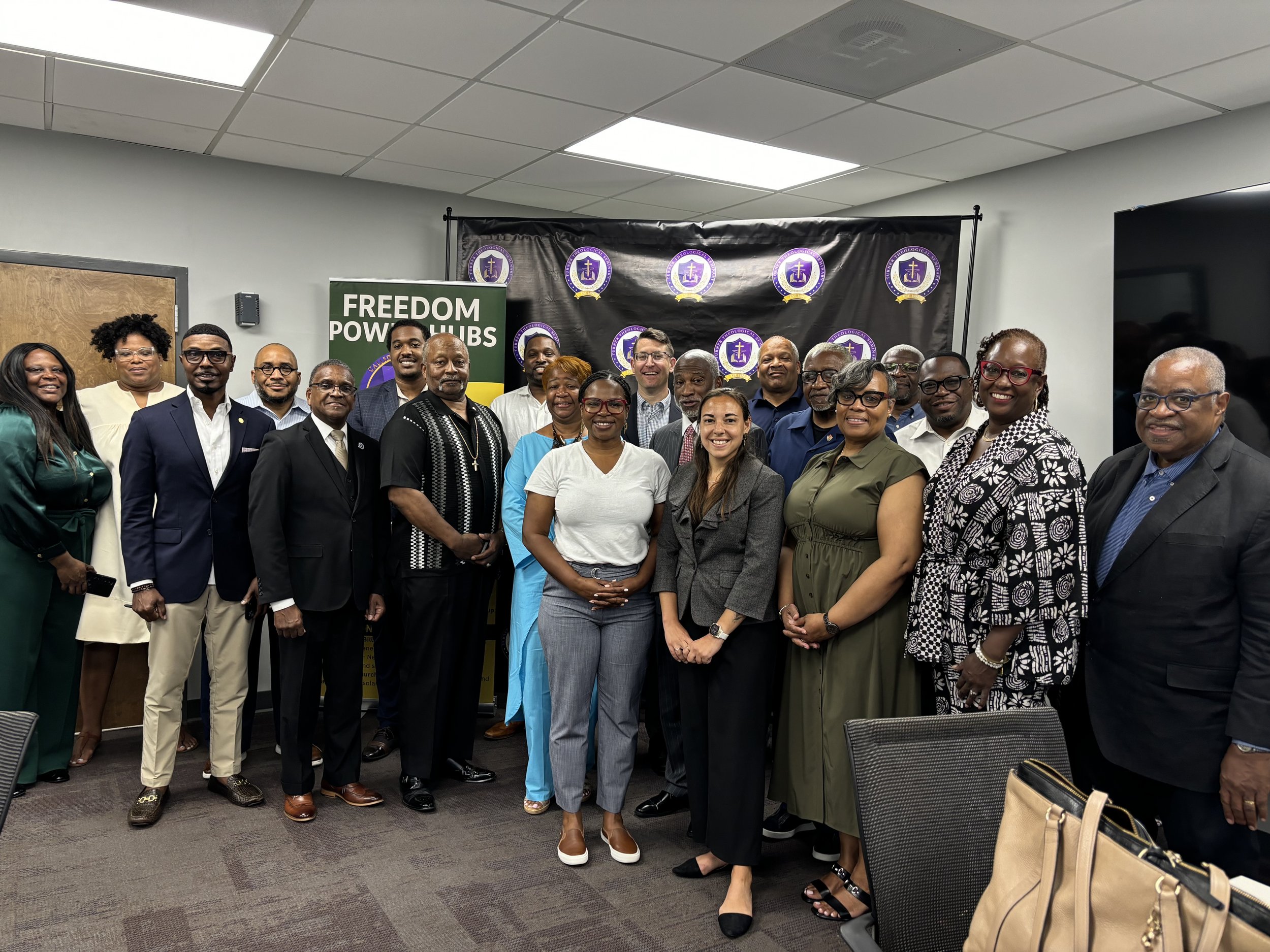
Resilience Hubs are trusted community spaces that are equipped to help residents set up systems and processes in order to positively adapt to environmental disturbances. They create the potential for communities to not only ‘bounce back’ after a disturbance but to ‘bounce forward’ as they take a proactive role in the development and recovery of their communities.
Resilience Hubs are anchored in a comprehensive definition of resilience that shifts well beyond emergency response and recovery.
Resilience is defined as “the ability of people and their communities to anticipate, accommodate, and positively adapt to or thrive amidst changing climate conditions and hazard events. Resilience communities enjoy a high quality of life, reliable systems, and economic vitality, and they conserve resources for present and future generations” (Baja, 2018).
The most effective Resilience Hubs are grounded in community needs, supporting residents through adaptation, mitigation, and emergency preparedness while improving daily quality of life and social connectedness. Because communities have different assets and vulnerabilities, no two Resilience Hubs are identical.
Types of Resileince Hubs

Resource Center
Serves as a visible, community-based hub for outreach, education, and engagement, offering year-round information, preparedness resources, and space to help neighbors prepare for and respond to extreme weather events.
Drop-In Center
Fulfills all the functions of a Resource Center and provides short-term, in-person relief during extreme weather or emergency events by offering safe indoor space, necessities, and volunteer-staffed support to meet immediate community needs.

Evacuation Center
Builds on the functions of a Drop-In Center and serves as a coordinated operations and gathering site during evacuation events, supporting first responders and displaced community members with extended, volunteer-supported services.

Emergency Shelter
Provides temporary housing for disaster survivors and response volunteers for up to several weeks following a climate-related emergency, staffed by trained local volunteers and nonprofit partners experienced in disaster response.
Some Components of Resilience Hubs

Energy Efficiency
A reliable power source during disruptions is one of the main reasons for becoming a Resilience Hub. Energy efficiency audits and upgrades help ensure that the building is operating as efficiently as possible. Follow the link below to learn more and enroll in GIPL’s Power-Wise program to begin this process.
Solar
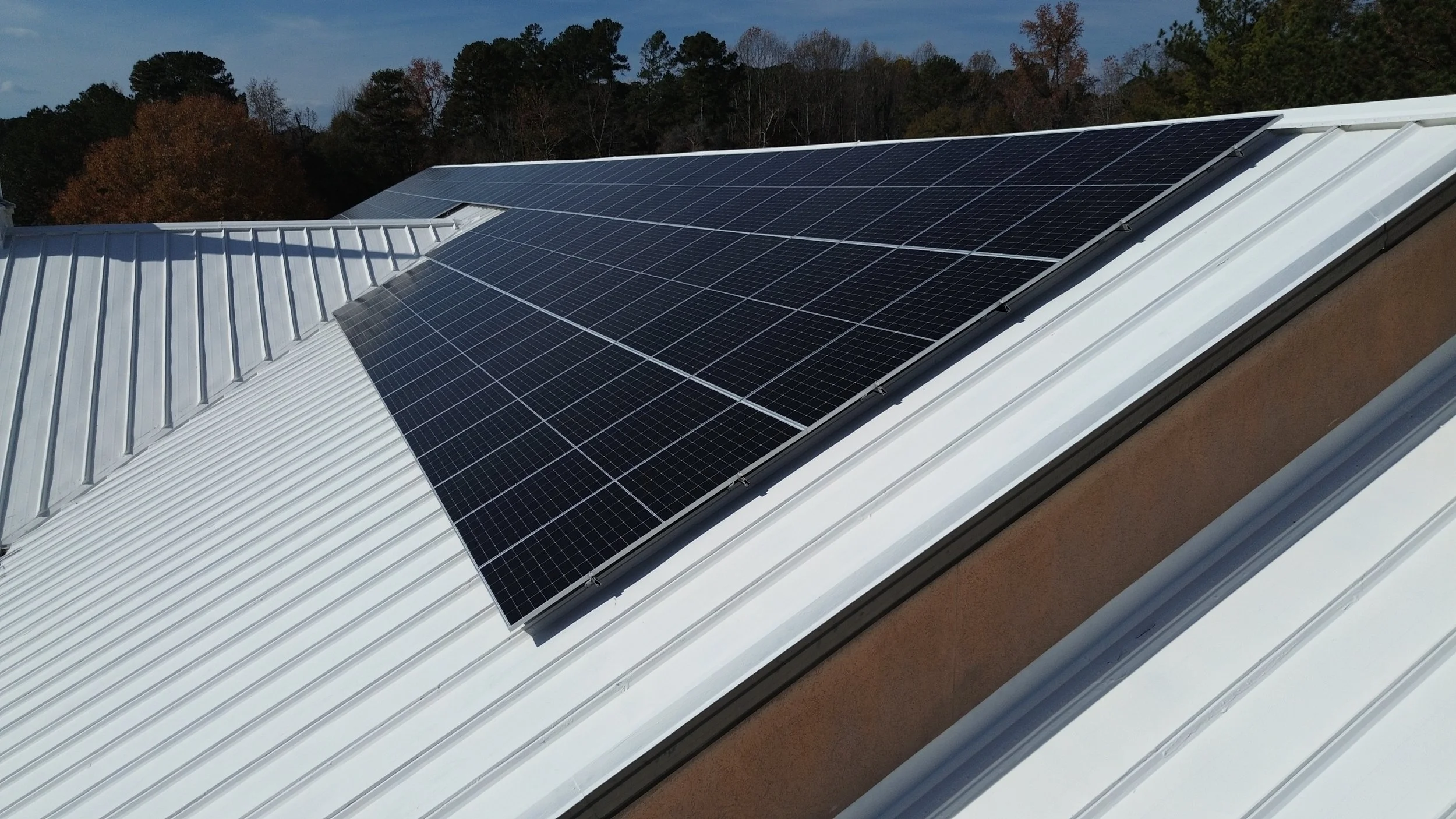
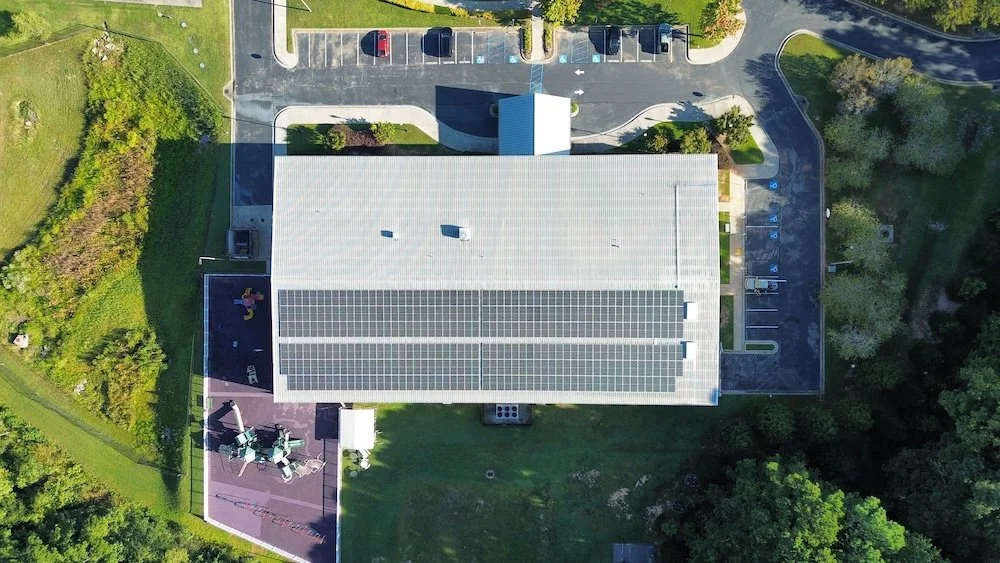
Solar arrays play an important role in Resilience Hubs. During normal operation, they help lower energy consumption and costs, hedge against rising utility rates, and reduce reliance on the grid. When paired with battery storage, solar systems can provide backup power during disruptions or outages. Follow the link below to learn more and enroll in GIPL’s Solar-Wise program to begin this process.
Commuication & Operations
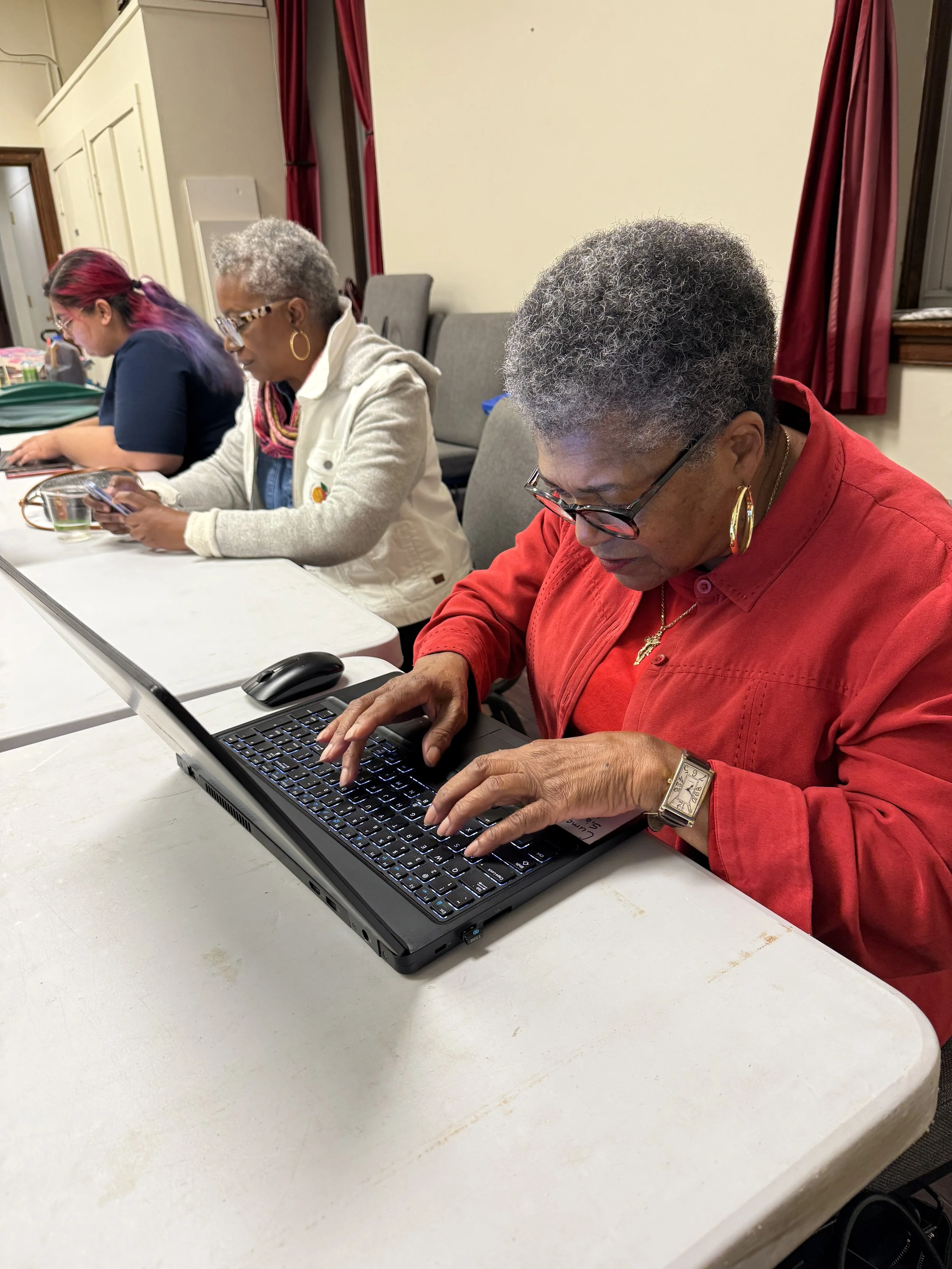
A resilient congregation should develop preparedness and emergency response plans that include teams with defined personnel roles and responsibilities. Resilience communication systems are also critical for ensuring that communities know what services a Resilience Hub provides, and so they can communicate with community members and EMS services during and after disasters.
Community Gardens
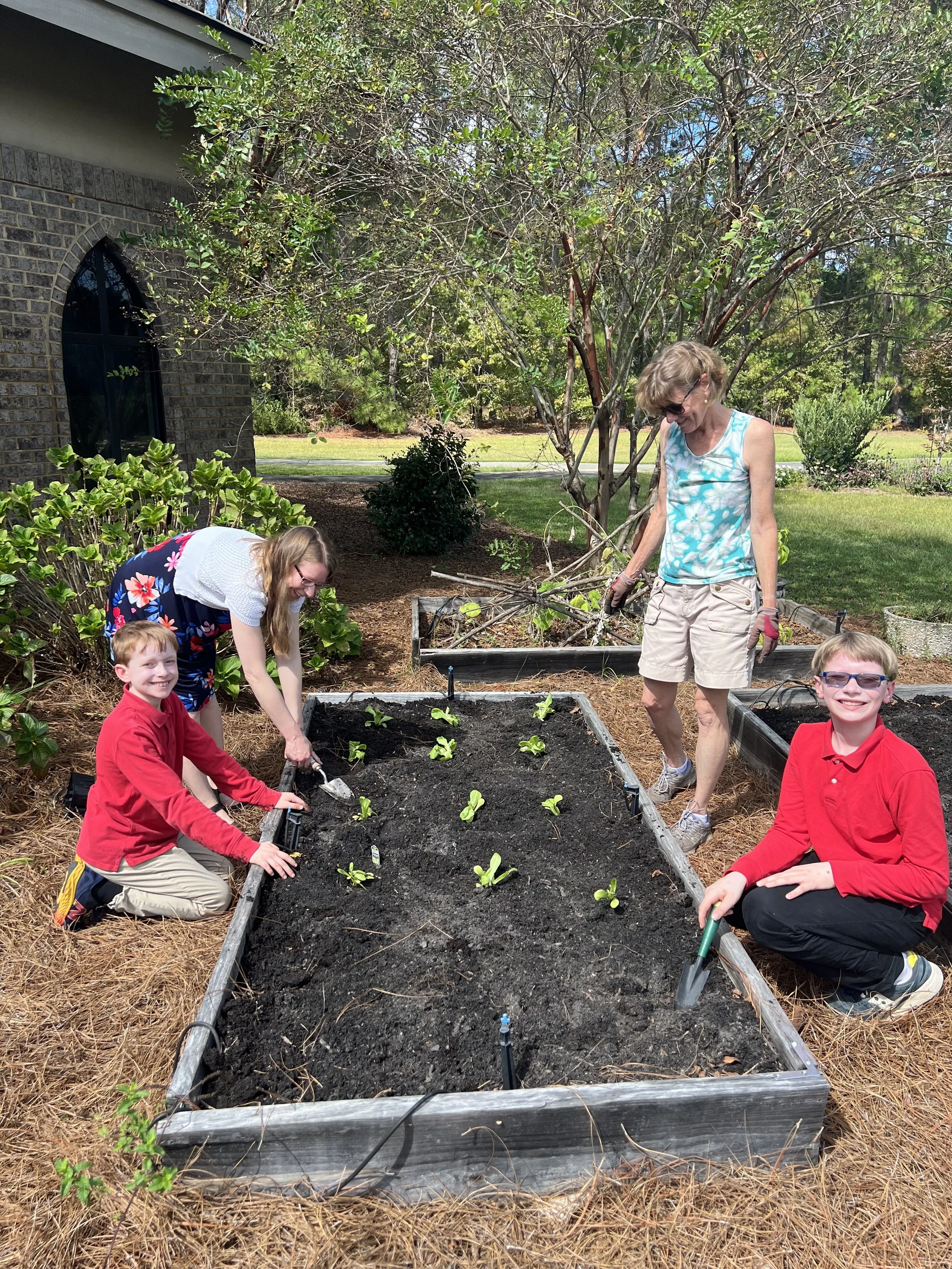
Food storage is important for ensuring adequate food supplies during a disaster and recovery. Community gardens and food forests can supplement on-site food pantries and provide fresh produce to the congregation and community. Follow the link below to learn more about GIPL’s ReWilding program.
Electric Vehicle Charging
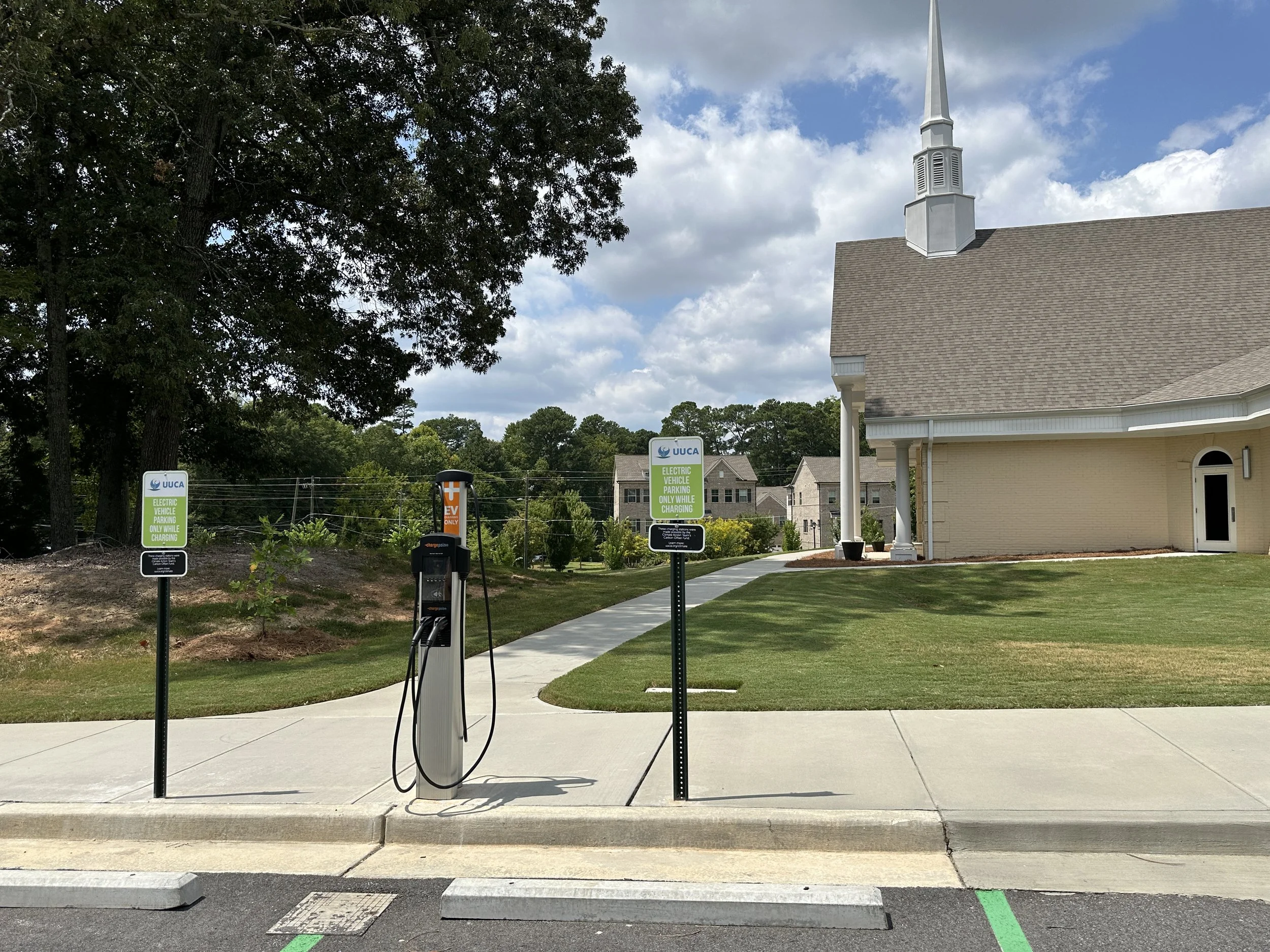
Congregations with Electric Vehicle (EV) charging stations help expand green transportation infrastructure. Bidirectional charging also enhances resilience by enabling electric vehicles (EVs) to act as mobile energy storage, providing backup power during outages
Services & Programs
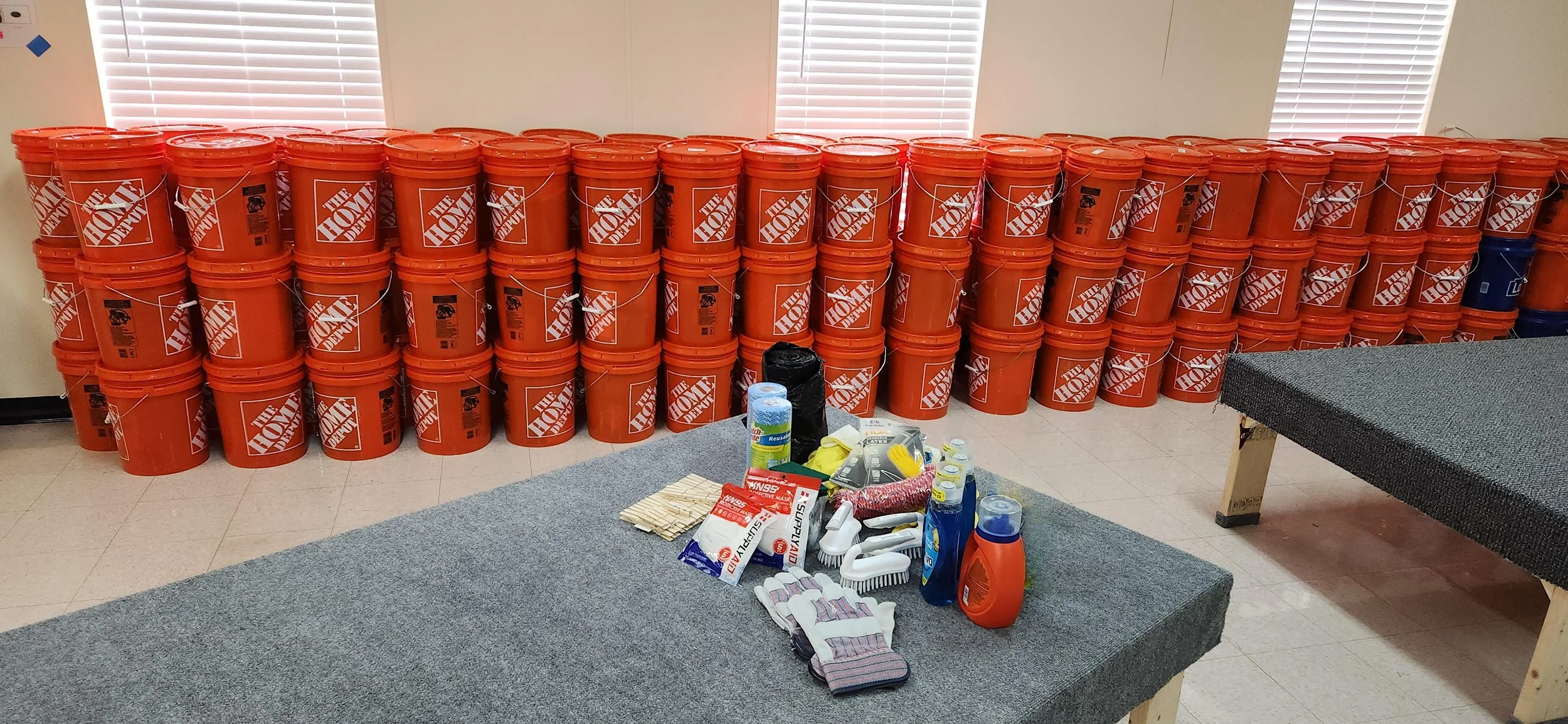
Resilience Hub should provide services and programs that build relationships, promote community preparedness, and improve residents’ health and well-being throughout the year. This could include Community Emergency Response Team (CERT) training, home weatherization workshops, assembling emergency kits, establishing a food pantry, or providing job training.
Complete Resilience Hub Resource Guide
This free, 18-page Resilience Hub Resource Guide offers a deeper look at what Resilience Hubs are, and what they are not, and why faith communities are uniquely positioned to serve as trusted anchors of community resilience. The guide explores the different types, modes, and timelines of Resilience Hubs, providing practical guidance to help congregations assess whether they may be a good fit for this work.
It also outlines the five foundational areas of effective Resilience Hubs and highlights funding opportunities available to support early planning and implementation.
Our hope is that this resource sparks meaningful conversation within your community and serves as a starting point for deeper engagement.